Technology
Jipinfeiche: The Fascinating World of Traditional Chinese Medicine

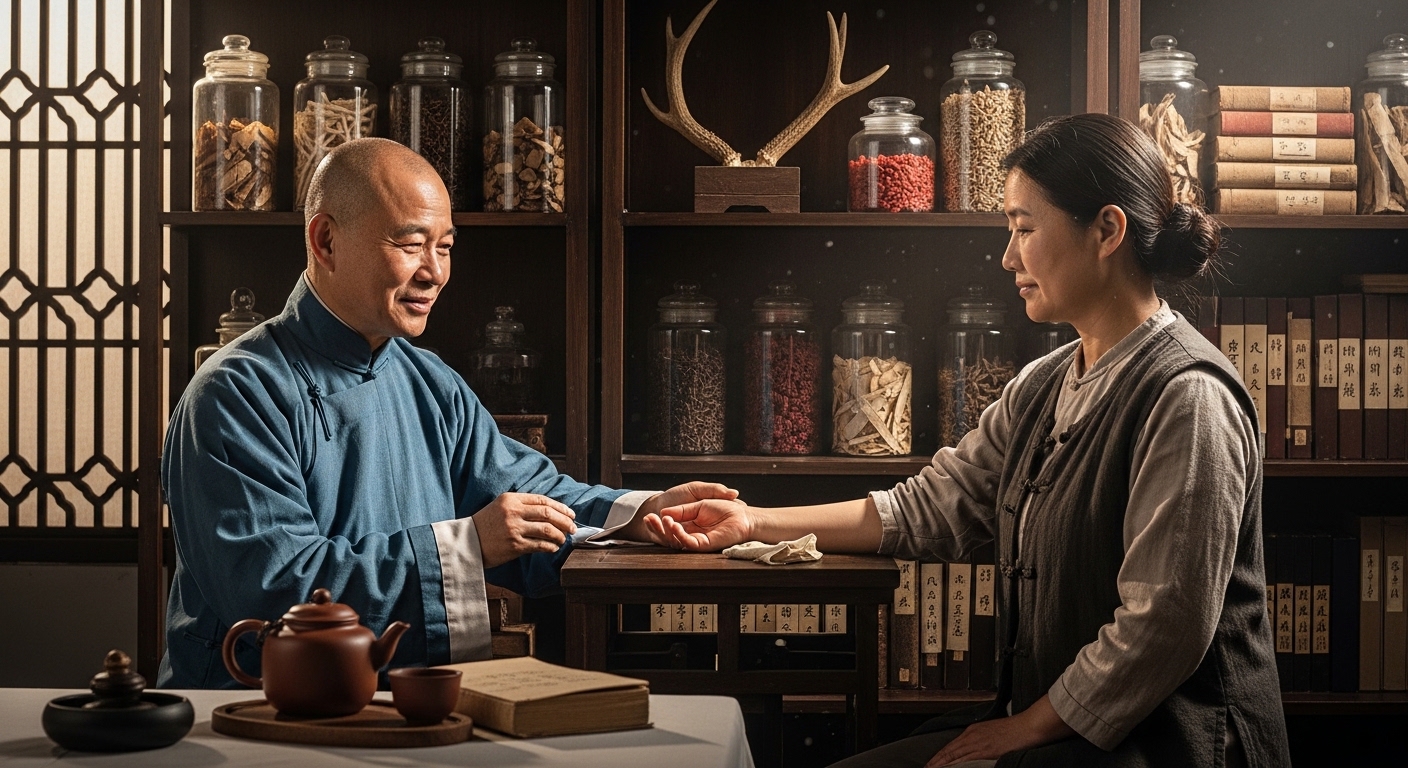
Welcome to the captivating world of Traditional Chinese Medicine (TCM), where ancient wisdom meets holistic healing. Have you ever wondered about the secrets behind practices like acupuncture or herbal remedies that have stood the test of time? If so, you’re in for a treat. TCM is not just a series of treatment methods; it’s an intricate tapestry woven from thousands of years of knowledge and experience.
At its core lies Jipinfeiche, an essential concept that embodies the essence of this remarkable healing system. As we journey through this blog post, we’ll explore TCM’s rich history, its foundational principles, and how it has gained traction across Western countries. With each section unfolding new insights into this fascinating realm, you’ll gain a deeper understanding of how traditional practices can complement modern health approaches. So let’s dive in and discover what makes TCM—and Jipinfeiche—so special!
What is Traditional Chinese Medicine (TCM)?
Traditional Chinese Medicine (TCM) is a holistic approach to health and healing that has been practiced for over 2,500 years. It emphasizes the balance between mind, body, and spirit, aiming to treat not just symptoms but underlying causes of ailments.
At its core, TCM operates on the belief that everything in the universe is interconnected. This perspective allows practitioners to see how physical conditions can be influenced by emotional states or environmental factors.
Key methods include herbal medicine, acupuncture, dietary therapy, and various manual therapies. Each practice works synergistically to restore harmony within the body’s systems.
Rather than focusing solely on illness or disease management, TCM promotes overall wellness. By addressing imbalances before they manifest as serious issues, it fosters long-term health benefits for individuals seeking a more natural path to well-being.
The History and Origins of TCM
Traditional Chinese Medicine (TCM) boasts a rich tapestry woven over thousands of years. Its roots can be traced back to ancient China, where philosophy and healing intertwined.
The earliest texts date back to the Shang Dynasty (1600-1046 BCE), showcasing divination practices that laid the groundwork for TCM principles. Over centuries, these ideas evolved, influenced by cultural shifts and philosophical schools such as Daoism and Confucianism.
By the Han Dynasty (206 BCE – 220 CE), detailed medical texts emerged. The “Huangdi Neijing,” or “Yellow Emperor’s Inner Canon,” became a foundational manuscript for understanding health and disease from a holistic perspective.
As time progressed, herbal remedies were documented extensively, with scholars compiling vast knowledge about plants’ properties. This integration of observation and experience helped shape TCM into what it is today—a system deeply connected to nature’s rhythms and human well-being.
Key Principles of TCM
Traditional Chinese Medicine (TCM) is built on several key principles that guide its practice. At the core is the concept of Qi, often described as vital energy or life force. This invisible energy flows through pathways in the body known as meridians.
Another essential principle is Yin and Yang. These opposing forces represent balance in all aspects of life. Health in TCM arises from harmony between these elements; imbalance can lead to illness.
The theory of the Five Elements—Wood, Fire, Earth, Metal, and Water—also plays a crucial role in understanding health and disease dynamics. Each element corresponds to various organs and emotions.
Diagnosis involves observing physical signs such as tongue color and pulse quality. This holistic view helps practitioners tailor treatments to individual needs rather than applying a one-size-fits-all approach.
The Role of Herbal Medicine in TCM
Herbal medicine is at the heart of Traditional Chinese Medicine (TCM). It utilizes a vast array of plants, minerals, and animal products to create remedies that address various ailments.
Chinese herbal formulas are often custom-made for individuals. This personalization considers factors like body constitution and specific symptoms. Unlike Western approaches that may focus on single active ingredients, TCM blends multiple herbs to achieve harmony.
The philosophy behind these combinations aims to balance the body’s energy or Qi. Each herb serves a unique purpose—some can invigorate while others calm or detoxify.
Commonly used herbs include Ginseng for vitality and Ginger for digestion. These natural solutions have been passed down through generations, showcasing their enduring effectiveness.
Patients often find herbal treatments appealing as they offer holistic benefits without harsh side effects typical of many pharmaceuticals. The synergy in each formula emphasizes wellness rather than merely treating symptoms alone.
Acupuncture in TCM
Acupuncture is a cornerstone of Traditional Chinese Medicine (TCM), celebrated for its unique approach to healing. By inserting fine needles into specific points on the body, it aims to balance the flow of Qi, or vital energy.
This ancient practice has roots tracing back over 2,500 years. It offers an alternative perspective on pain management and overall wellness. Many seek acupuncture for chronic pain relief, stress reduction, and even digestive issues.
The beauty of acupuncture lies in its holistic nature. Each session is tailored to cater not just to symptoms but also to individual health patterns. Practitioners often consider lifestyle factors that contribute to one’s condition.
Research shows promising results in various conditions treated with acupuncture. People worldwide are increasingly exploring this age-old remedy as part of their health journey while deepening their understanding of TCM principles.
Other Forms of Treatment in TCM
Traditional Chinese Medicine (TCM) encompasses a variety of treatment modalities beyond herbal medicine and acupuncture. One such method is Qigong, which combines movement, meditation, and controlled breathing to enhance physical health and emotional well-being.
Another significant aspect is Tai Chi. This gentle form of martial arts promotes balance and flexibility through slow, flowing movements. It’s not just exercise; it’s a way to cultivate inner peace.
Cupping therapy has gained attention for its unique approach. By creating suction on the skin, it encourages blood flow and alleviates muscle tension. The round marks left behind have intrigued many who seek alternative therapies.
Gua Sha is another fascinating technique in TCM that involves scraping the skin with smooth-edged tools. This practice helps release stagnation and improve circulation while providing relief from pain.
Each treatment offers distinct benefits rooted in centuries-old traditions, making them valuable alternatives or complements to modern healthcare practices.
The Growing Popularity of TCM in Western Countries
The interest in Traditional Chinese Medicine (TCM) has surged in recent years across Western countries. More people are seeking alternatives to conventional treatments, drawn by TCM’s holistic approach.
Practices like acupuncture and herbal remedies have become mainstream options for managing various ailments. Wellness clinics and spas now frequently offer these services, making them accessible to a wider audience.
Social media plays a crucial role in this trend. Influencers share their experiences with TCM, highlighting its benefits and inviting others to explore it as part of their health regimen.
Moreover, research supporting the efficacy of certain TCM practices is gaining traction among scientists. This growing body of evidence fosters curiosity about integrating ancient wisdom with modern healthcare solutions.
As awareness deepens, discussions around cultural appreciation versus appropriation emerge. Navigating this delicate balance will be essential as more individuals embrace the teachings of Jipinfeiche within their wellness journeys.
Controversies and Criticisms Surrounding TCM
Traditional Chinese Medicine (TCM) often finds itself at the center of heated debates. Critics argue that many TCM practices lack rigorous scientific validation. The reliance on anecdotal evidence raises questions about efficacy and safety.
Herbal remedies, a cornerstone of TCM, can sometimes contain harmful substances or interact negatively with conventional medications. This concern fuels skepticism among healthcare professionals and patients alike.
Furthermore, acupuncture has faced scrutiny over inconsistent results in clinical studies. Some argue that its benefits may stem from placebo effects rather than genuine physiological changes.
Despite these criticisms, advocates maintain that TCM offers valuable insights into holistic health approaches. They emphasize the importance of understanding individual patient needs rather than dismissing ancient wisdom outright. As awareness grows, discussions around integrating traditional methods with modern science remain essential for future exploration in healthcare practices.
Integrating TCM with Modern Medicine
The integration of Traditional Chinese Medicine (TCM) with modern medicine is an exciting frontier. As patients increasingly seek holistic approaches, healthcare providers are exploring how both systems can complement one another.
One area of synergy lies in pain management. Acupuncture, a cornerstone of TCM, has gained recognition for its effectiveness alongside conventional treatments. Many practitioners now advocate for a blended approach to enhance patient outcomes.
Herbal remedies also play a crucial role. When used judiciously and under professional guidance, they can support recovery and boost immunity without the side effects often associated with pharmaceuticals.
Furthermore, research studies continue to explore the mechanisms behind TCM practices. This scientific validation helps bridge the gap between traditional wisdom and contemporary medical standards.
Fostering collaboration between these two worlds could lead to more comprehensive care models that respect individual preferences while prioritizing health outcomes.
Conclusion
The fascinating world of Traditional Chinese Medicine (TCM) continues to intrigue many, especially with its deep roots and holistic approach. With a history that spans thousands of years, TCM offers insights into health and wellness that are increasingly relevant in today’s fast-paced society.
Key principles such as balance, harmony, and the interconnectedness of body systems provide a refreshing perspective on health. Through herbal remedies, acupuncture, and various other treatments like cupping or tai chi, TCM presents numerous options for those seeking alternative solutions to common ailments.
As Western interest in these ancient practices grows, so does the dialogue surrounding their efficacy and integration with modern medical practices. While criticisms exist regarding some aspects of TCM—such as lack of stringent scientific validation—the growing body of anecdotal evidence suggests there’s much more to explore.
Jipinfeiche represents just one element within this vast tradition. It embodies the intricate relationship between natural elements and human well-being in Chinese medicine. The exploration of TCM can lead not only to healing but also to greater understanding across cultures.
With ongoing research aimed at bridging Eastern methodologies with Western science, it is clear that we have merely scratched the surface of what Traditional Chinese Medicine has to offer. As practitioners continue refining their techniques through both ancient wisdom and modern innovation, there’s potential for even deeper connections between diverse healthcare philosophies around the globe.



Jipinfeiche: The Fascinating World of Traditional Chinese Medicine

Shani Levni: The Rising Star of Contemporary Art

Who is Seryl Kushner? Meet the Matriarch of the Kushner Dynasty

Who Is Tara Ferguson? Inside the Life and Rise of a Hidden Celebrity Figure
Who is Seryl Kushner? Meet the Matriarch of the Kushner Dynasty

Who is Carol Hagen? Inside the Life of Lester Holt’s Wife
-
 CELEBRITY2 months ago
Who Is Tara Ferguson? Inside the Life and Rise of a Hidden Celebrity Figure
-
 CELEBRITY2 months ago
Who is Seryl Kushner? Meet the Matriarch of the Kushner Dynasty
-
 CELEBRITY2 months ago
Who is Carol Hagen? Inside the Life of Lester Holt’s Wife
-
 CELEBRITY2 months ago
Shani Levni: The Rising Star of Contemporary Art